When it comes to wine, there's no getting around the fact that we live in a pop-the-cork-now world. While that's super convenient, and quite often fits the time and place, it also means we're missing out on the glorious effect that time can have on wine. A small stash of well-chosen bottles becomes its own time capsule of vinous education. You discover how wines relax, settle in, and reveal qualities you'll never see when you pull the cork on day one.
So what actually happens when your wine naps in a 55-60 degree cellar? Young wines lead with bright, primary fruit, but as months and years pass, those overt fruit notes relax and a layer of savory elements takes over. Notes of dried herbs, spice, leather, cured citrus, and a wealth of other tertiary notes begin to balance with the fruit. Tannins begin to ease, acids integrate, and the wine reads as softer, while the finish lengthens as the elements harmonize.
Visual changes occur as well. Color shifts toward amber or brick in reds and towards deeper gold in whites, and sediment appears when color elements drop out of suspension. All of these are signs of developing bottle complexity—a feature, not a flaw. Small factors, like slow micro-oxygenation through the cork and contact with lees, also help shape texture and aroma. This modicum of patience is thoroughly rewarded with an experience you won't find in a newly released bottle.
Here's the part that I love—this isn't only for expensive, trophy labels. Plenty of modestly-priced wines reward extra bottle age with additional layers of complexity and nuance. Muscadet, Riesling, white Bordeaux, Alsace Pinot Gris, and Chenin Blanc are all excellent choices for white wines. Cru Beaujolais, Rioja, Chianti Classico, Loire Cab Franc, and entry-level Bordeaux blends are a great start for reds.
The next thing to consider is how long to wait. I tend to think in fairly general ranges of time. Two to five years can round out Cru Beaujolais and Chianti Classico. Five to ten years adds complexity to Rioja Reserva, serious Muscadet, white Bordeaux, and Alsace Grand Cru whites. Some bottles—certain Bordeaux, Barolo, Brunello, Northern Rhône, and age-worthy Rieslings—can cruise in the cellar for a decade or two or even longer.
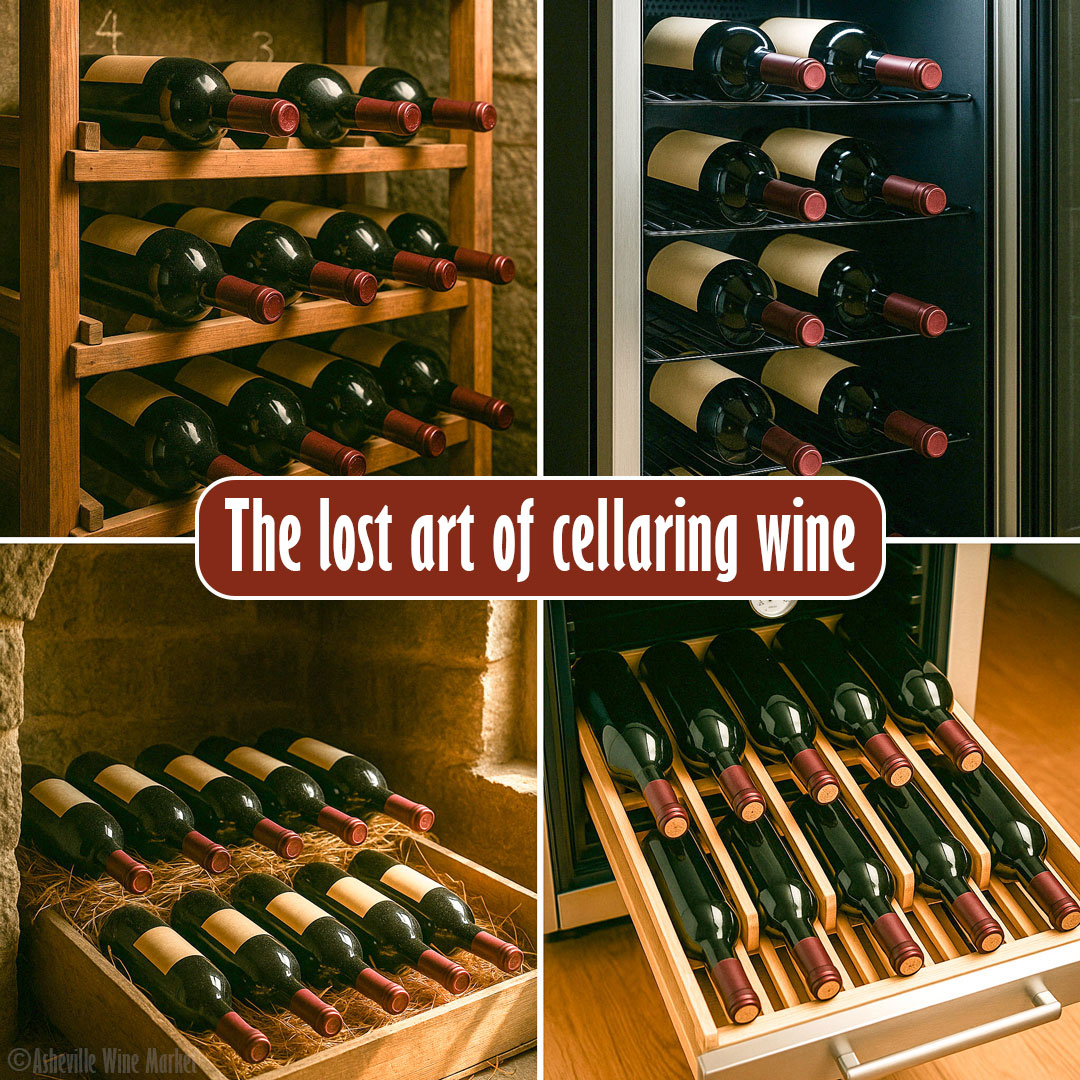
Storage doesn't require a cave, or even a cellar, for that matter. Aim for steady, cool temps—55-60s is great, consistency is better. Keep bottles in the dark, on their sides to keep the cork moist, and certainly away from heat and repeated or large temperature swings. A small wine fridge works, and these days, a small 12-36-bottle unit can be purchased for peanuts. Alternatively, a cool interior closet or stable basement corner can work as well. Definitely take a pass on any long-term storage in your kitchen or garage.
To get the most out of your cellaring experience, I recommend this simple plan: three of anything promising—one for now, one mid-term, one for later. Mix regions and styles so you always have options. Stick to vignerons you trust, especially the small, integrity-driven estates, and focus on selections sourced by local and regional importers.
Check in annually on anything you're cellaring. If non-fruit aromas are more pronounced, tannins are smoother, and the finish lingers, you're in a good window. That's an indication that you're patience has rewarded you with a wine at its peak of development. I recommend standing up the bottle for at least a day, and to decant to leave any sediment in the bottle— young, structured wines can handle a more assertive decant for aeration.
I should address a couple of myths when it comes to cellaring wine. Not every wine improves with age, and "bigger" doesn't always mean better, or guarantee longevity. The real secret for success in aging wine is balance—the magic of tannin and acid working together. Sediment isn't a flaw; it often signals minimal filtration and maturity. And most importantly. Don't ignore tasty but humble bottles—well-stored, modest wines can reward equally as well as their pricey counterparts.
As wines age, edges soften, so food pairings should follow suit. Roast chicken, mushrooms, simple braises, and grilled vegetables let the nuances show. Older whites love fall produce, poultry, gentle spice, and most of all umami. Save the dense and flavorful dishes with fiery heat for young, bold bottles; your perfectly mature wines will shine with subtle and savory sustenance.
Want a starter set to experiment with cellaring wine? Build a 12-bottle cellar with staggered development range: Muscadet or white Bordeaux for mid-term pleasure; Alsace Pinot Gris or dry Riesling for deeper aging; Cru Beaujolais for near-to-mid-term drinking; Loire Cab Franc for mid-range depth; Rioja Reserva for 5–10 years; and a Northern Rhône-style Syrah or value Bordeaux blend on the same horizon. Rotate in seasonal finds from trusted local importers.
Keep the record-keeping simple—this is supposed to be fun after all. Note purchase date, price, an expected window, and an "open by" year. Colored stickers or printed labels can come in handy, or download an app to make it even easier. When you open a bottle, jot three short lines—nose, palate, verdict (hold or drink). The goal is to make the next pull from the rack timely and easy.
Perhaps the best takeaway I can offer is to share the experience. Invite friends to bring one bottle to compare. Host small verticals of the same wine across vintages, or pour a "young vs. rested" side by side to show what time can do. You'll build knowledge—and a stronger local wine community—one perfectly matured wine at a time.